Revolutionise Working Together with Team Development
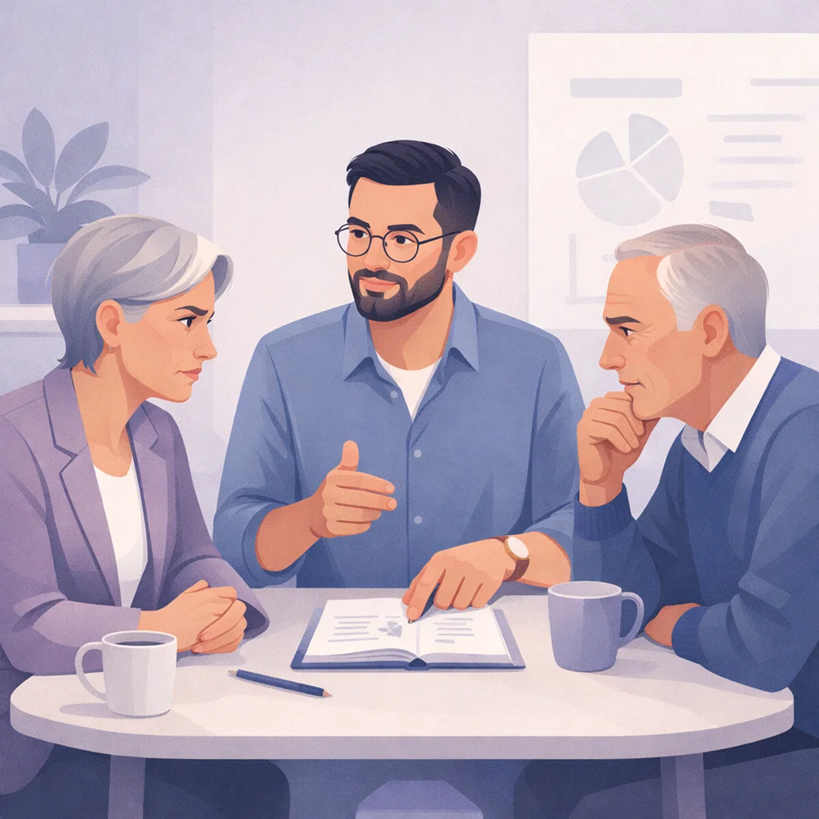
High-performing teams don’t emerge by accident. They are designed. Our team development work blends rigorous psychological insight with practical, structured collaboration, so your group doesn’t simply work harder, but works better together. This workshop clarifies how your people think, where friction arises, and how to convert difference into durable advantage.
Why Team Development Is for Top-Tier Leadership Groups
Senior teams face challenges that can’t be solved with generic “team-building” exercises:
- Competing perspectives on risk, speed, and quality
- Misaligned priorities disguised as “personality clashes”
- Workload bottlenecks that persist despite good intentions
- Processes that are agreed in theory but abandoned in practice
- Strong individuals who unintentionally pull in different directions
We don’t give you platitudes. You get a highly specialised, psychologically grounded process that helps your team to:
- Understand each other with precision: mapping how different minds naturally think, decide, and respond under pressure.
- Surface hidden strengths and blind spots: so capability is used deliberately rather than accidentally.
- Translate personality differences into better decisions: especially around risk, timing, and priorities.
- Build shared rules that actually stick: reducing friction without killing autonomy.
- Improve coordination under stress: so work doesn’t fall through the cracks when it matters most.
The result is not conformity, but aligned diversity: clearer roles, steadier routines, and more reliable collaboration.
What You Get
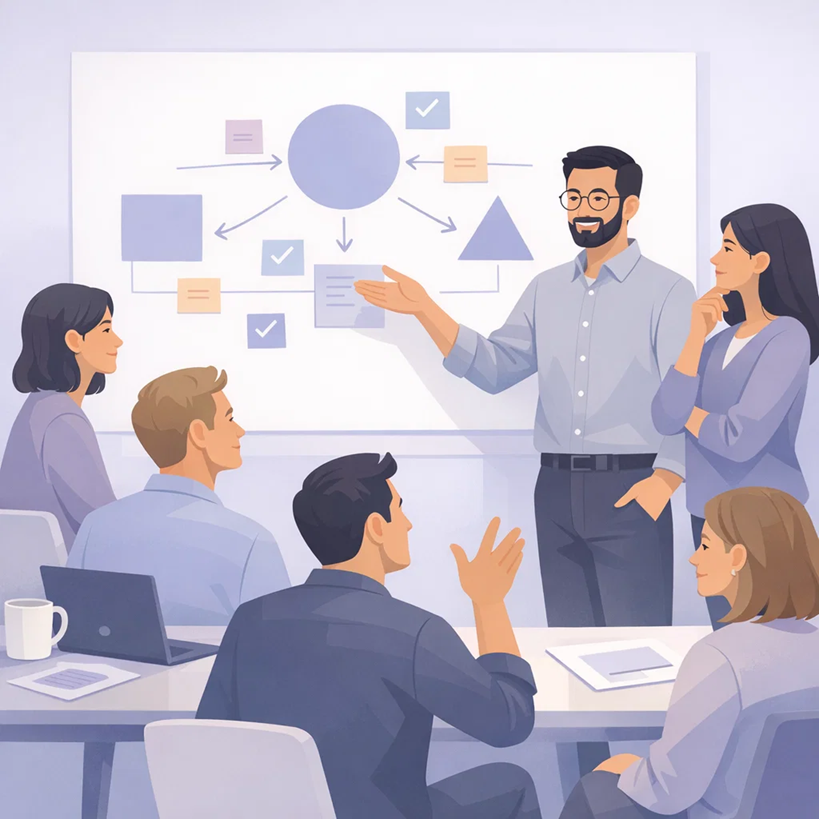
Your programme is tailored to your team, but typically includes:
- Team Diagnostic & Personality Deep Dive: A structured mapping of how each person naturally thinks, decides, communicates, and handles pressure. This gives the team a precise shared language for understanding difference without blame, personality stereotyping, or vague “styles” talk. You leave with clarity on:
- Complementary strengths in the team
- Predictable blind spots and friction points
- Why certain conflicts keep recurring
- Structured Decision & Risk Alignment: Through tailored facilitated exercises, the team learns to slow down high-stakes decisions in a disciplined way rather than reacting on instinct or politics, therefore creating better judgement under pressure. Depending on your context, we may focus on questions like:
- What genuinely breaks if we act?
- What are we assuming rather than knowing?
- What meaningfully moves the business forward this quarter?
- Where are different risk appetites clashing, and how should that be balanced?
- Workload, Stress Signals & Team Responsibility: Many teams struggle not because they lack effort, but because strain is invisible until it becomes conflict or burnout. We design bespoke exercises to make your team efforts mutually accountable and sustainable over time by:
- Identifying what reliably drains different people
- Surfacing the early warning signs of overload
- Agreeing clear, practical responses when those signs appear
- Simple, Durable Ways of Working: Rather than imposing complex frameworks no one follows, we help your team turn good intentions into consistent habits by co-creating a small number of non-negotiable working rules that everyone commits to. For example, this might cover:
- How decisions are made
- How tasks are handed over
- How disagreements are handled
- How priorities are set under time pressure
- Data-Informed Reflection: We integrate team survey results (e.g., psychological safety, coordination discipline, workload sustainability, role clarity, trust, and resilience) so the work is grounded in evidence, not just conversation. This allows you to:
- Diagnose real weak points
- Track improvement over time
- Avoid mistaking “loud voices” for actual problems
What Changes for Your Team
After this process, strong teams typically show:
- Clearer role boundaries and expectations
- Less friction in decision-making
- More constructive feedback (facts + feelings, fewer judgements)
- Better coordination under time pressure
- Greater psychological safety without losing accountability
- More sustainable workloads
- Fewer repeated process breakdowns
You still have spirited debate, but it becomes productive rather than polarising.
Are You Ready?
If you want more than surface harmony, if you want a team that is genuinely aligned, disciplined, and resilient, this is for you.
This work suits leadership groups who are ambitious, self-aware, and willing to examine how they operate, not just what they deliver.
If your goal is to move from talented individuals to a truly coherent team, let’s talk.